
Substack Spotlight: Going Behind The Lens And Mask With NoOne
A photographer’s journey from makeshift darkrooms to combat zones to finding peace in the mundane.


I’ve been thinking a lot lately about community. The real kind, not the algorithm-driven sort that dominates most social media platforms. One of the things that drew me to Substack was the genuine connections forming here between photographers and creatives. People sharing not just their work, but the stories behind it, the struggles, the breakthroughs, the honest messiness of trying to make sense of the world through a viewfinder.
So, as I promised in my end of year review, I’m starting something new: Substack Spotlight, a series where once every month or so I sit down with photographers and creatives whose work has genuinely moved me. The folks creating meaningful work and generous enough to share their process, their philosophy, and their journey.
Through these conversations I hope to unearth what drives someone to keep pressing the shutter, what they see that others walk past, how photography fits into the broader fabric of their lives. The real stuff.
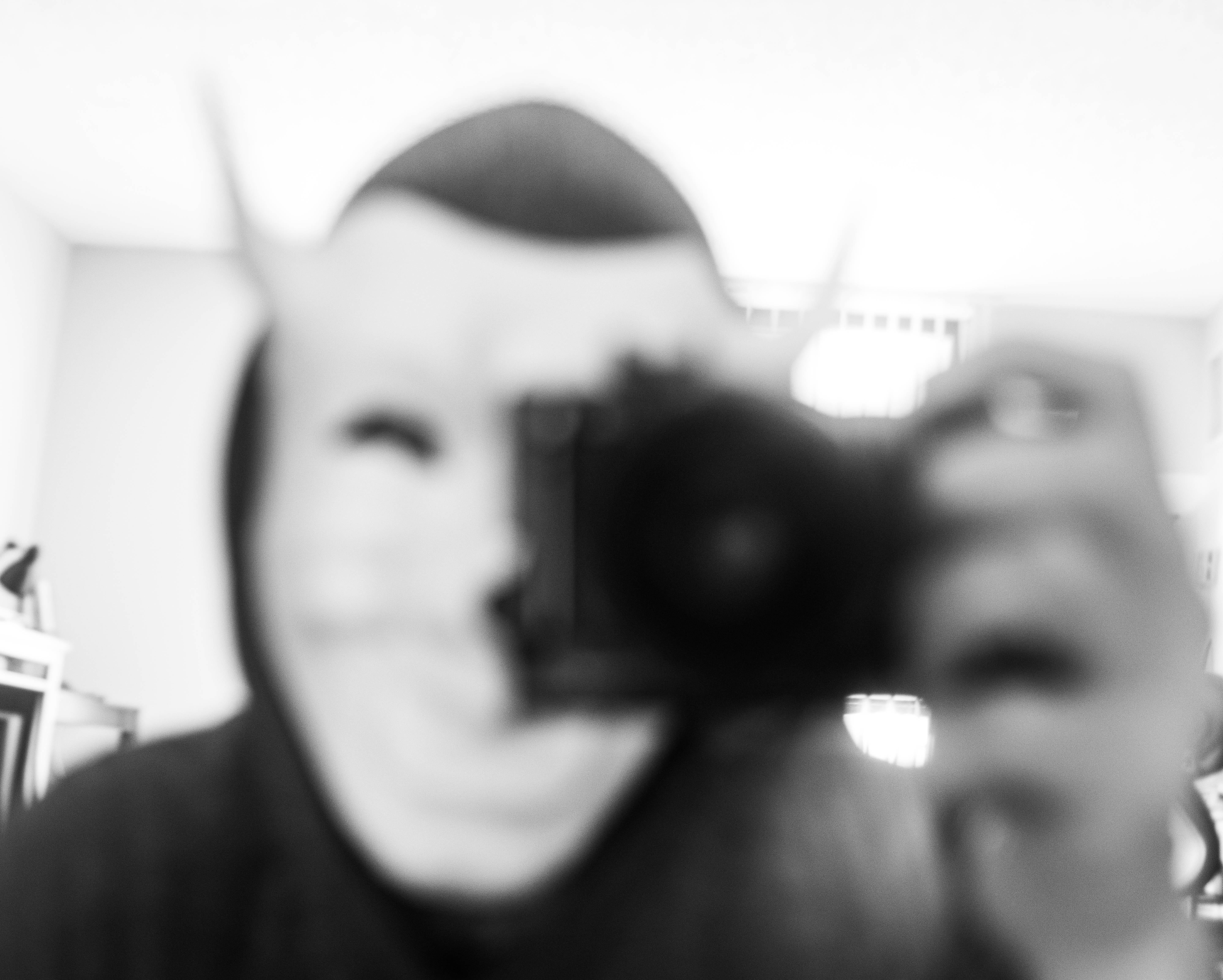
My first conversation is with NoOne, a photographer based in the US who shoots under a pseudonym, creating what he calls “My Anonymous Photography.”
I stumbled across his work a while back and immediately recognised a kindred spirit: someone drawn to the mundane, the overlooked, the quiet moments that reveal something profound if you’re willing to look closely enough. His writing about photography as meditation, about finding beauty in ordinary places, also struck a chord with me.
What I didn’t know until this conversation was the remarkable journey that brought him here. From watching his father in a makeshift darkroom as a child, through combat deployments as an Army infantryman, to finding his way back to photography as both creative practice and lifeline. His story is testament to photography’s power not just as an art form, but as a way of making sense of the world and ourselves.
So grab a brew, settle in, and meet NoOne.
GT: So, to kick things off. Tell me a little bit about your photographic journey and what is the earliest photo you remember taking?
NoOne: Photography has been a sort of omnipresent entity in my life. My father was very into photography, and used his Minolta to capture the beginning of my life. As I grew up I became more interested in the way he would set up for shots, and then process them himself in his makeshift darkroom.
I believe the first time I actually composed an image and released the shutter I was eight, so that would have been in 1989. I was in the mountains of North Carolina with my father, and had asked him to let me take some photos with him. He agreed, and after having to explain to him the composition I was seeing, he helped me frame the scene and I took the shot. A few weeks later I was helping him in the darkroom and after the film was developed we found my frames. He put them in his enlarger and we were able to look at them, but ultimately decided to not print them. They were just normal shots, and the light sensitive paper and chemistry weren’t cheap to my father at the time.
Since then I had the bug. I wanted to take photos. I spent a lot of time reading about the masters of photography, and the rules that they followed to create their works. I was more than passionate about the process, and knew photography would be with me through whatever roads my life travelled down.
GT: That sounds like a wonderful introduction to photography. Very jealous of the dark room experience, something I am yet to enjoy. So photography has been with you throughout your life then?
NoOne: Photography has absolutely been with me throughout my life. I don’t remember getting my first camera, but I know it was a Canon 35mm point-and-shoot. I had several cameras coming up, and would also frequently go buy disposable cameras just to play around with. By the time my daughter was born when I was twenty, I had taken thousands of photos. I actually increased the photography after my daughter was born and I enlisted into the Army.
GT: You mentioned reading about the masters. Who were you drawn to first, and has that changed over the years?
NoOne: Because my father was the initial source for this budding passion, the people he first told me about such as Man Ray, Alfred Stieglitz, Ansel Adams, and Henri Cartier-Bresson were some of the first masters I was introduced to. I was an avid reader, and not a fan of other children, so it was easy for me to spend my time in public libraries reading about these people. As I got older and was drawn to historical photos, war photos, and the amazing works in National Geographic. I started looking more into who was behind those images and found a whole new world of fascinating people that were responsible for so many incredible images.
The only thing that has changed over the years would be the number of photographers I have access to. When I was young it was only people that had books, magazine features, or newspaper articles. The odd documentary, but really, you had to want to know about someone to find them, and then finding them would lead you to others. With the internet we have access to a truly staggering number of fantastic photographers, and can accidentally stumble upon someone that gives us new inspirations on any given day.
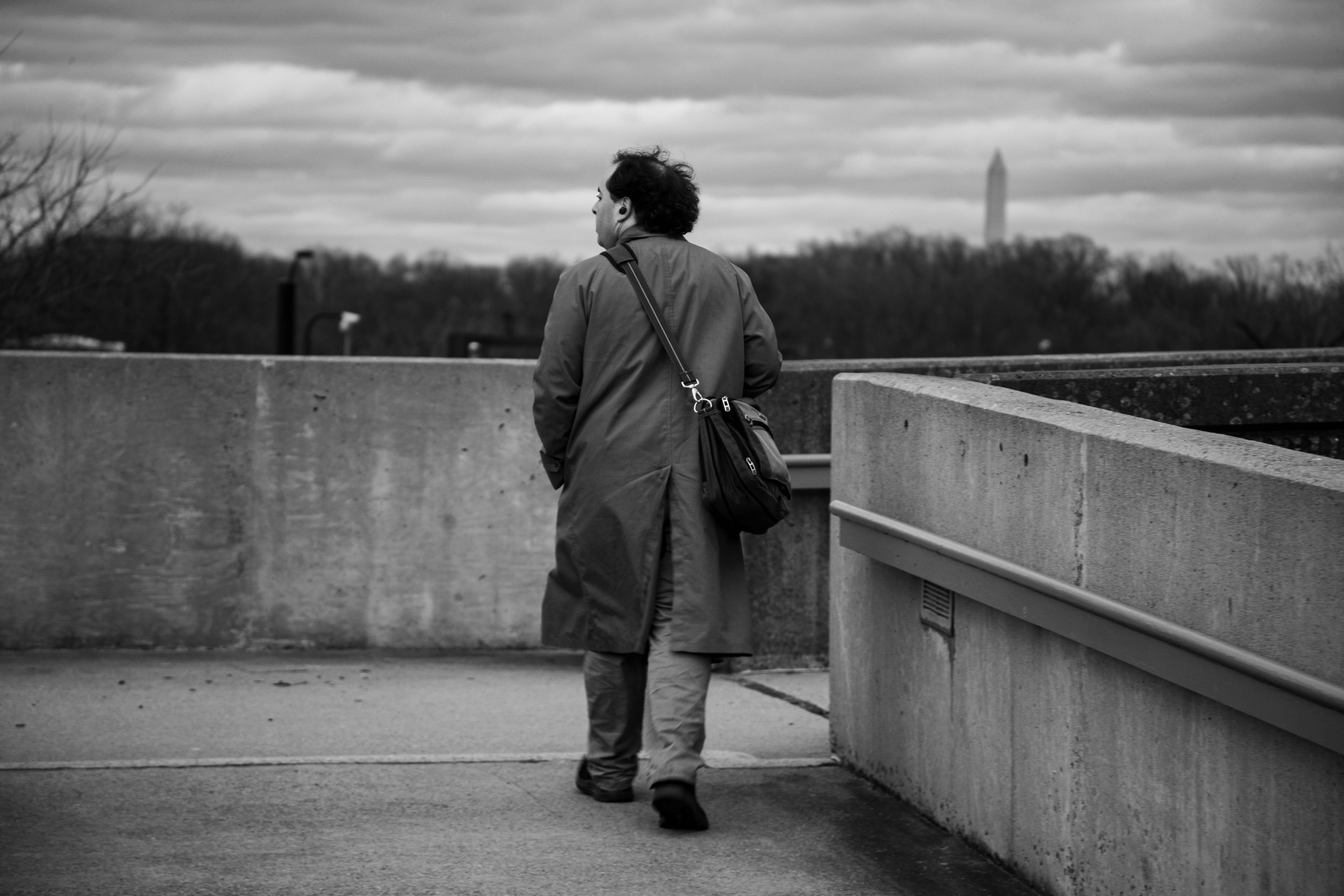
I’ll always be a student of photography, and so looking, reading, and implementing has always been how I approach my own work. I’m only as good as I am because I intended on being as good as the folks I admired most. I miss the mark they left by a long ways, but it’s the intention that drives me most. I don’t have to be the next anyone, I need to be the only me.
GT: That is a lovely sentiment and I couldn’t agree more. It’s all about being the photographer we want to be and not trying to replicate anybody else. I know a big shift for me came when I gave myself permission to just shoot whatever caught my eye. Forget the rules, genres etc. If I like it, just take the picture.
Going back, you mentioned that photography increased after your daughter was born and you joined the Army. What was driving that? Was it about documenting life, or was it something else entirely?
NoOne: Giving ourselves permission to take photos of whatever we want is one of the premier defining moments of our participation in photography.
Being a new father and a soldier the uptick in photography was definitely about documentation, but it was also because I felt an urgency to be creative and take as many photos as possible.
I knew that being a father of a child would move quickly, but the extreme reality of my life as an Infantryman was a glaring constant. I knew that I could die at any time while on deployments, and so I was adamant to capture as many moments as I could. I wanted a deep level of documentation of the wild existence I was taking part in just in case I was fortunate enough to make it out on the other side.
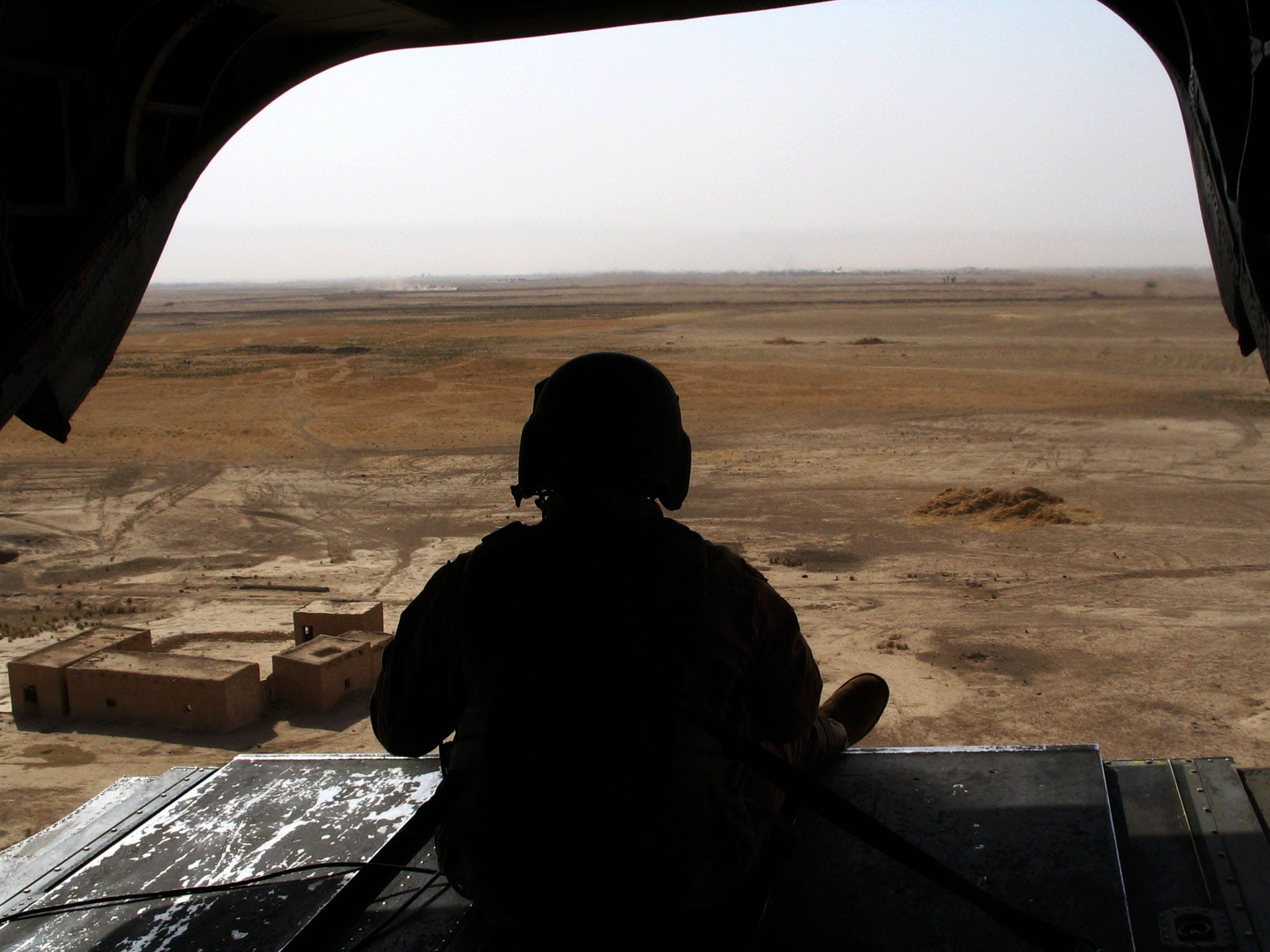
I think a part of it was the act of photography added some level of hope to an otherwise hopeless situation. War is scary, being a young father is scary, the entirety of the early 2000s was scary. So maybe photography was a coping mechanism.
Whatever it was, I am glad I did it. I also still wish that I had actually taken more images. Life moves fast and we’re not aware of it until a big part of our lives are ten or more years behind us. So now I try to be as present as possible. Taking photos of everything.
GT: Wow. I can’t begin to imagine how scary that was for you. I’ve written a number of times how photography has helped me through some difficult times. Nothing to compare with your experiences in the army but I was interested to see you mention how photography maybe helped you cope during that period of your life. Could you expand on that some more, if you’re comfortable to?
NoOne: We all have different levels of difficulty we can endure, so I could never say what I went through was worse than your experiences, because we have a different set of coping mechanisms.
The act of photography, being behind a shutter, framing and so on, it is a really joy to me. I absolutely have never gotten tired of trying to take photos. So in the context of being a young father with a young child, while simultaneously being an Infantryman in the 82nd Airborne Division on a heavy combat deployment rotation, I needed some way to slow myself down to a part of me that I could always give space for.
So being home it was taking photos of hanging out with my daughter, or photos of the places we’d go. It was always there. A safety blanket. It was the same on the Army side, I always needed some level of personal agency, and photography was part of that. Whether being on training missions, getting ready to jump out of airplanes, or on full combat deployments, I could count on photography to help me see beyond the harsh reality I was living.
While in Iraq I would take all kinds of photos every chance I got because I knew when it was all said and done, I’d most likely never return. I have a lot of photos I am glad that I captured, and honestly I still wish I had taken more.
GT: I can imagine. Your back catalogue must have an incredible range of subjects and locations. In your most recent article about Mundane Beauty, you talk about nostalgia and subconscious childhood memories driving your photography. I was wondering, given your combat experience, do those mundane scenes also represent something about peace, about the ordinariness of civilian life being something worth documenting precisely because you’ve seen the opposite?
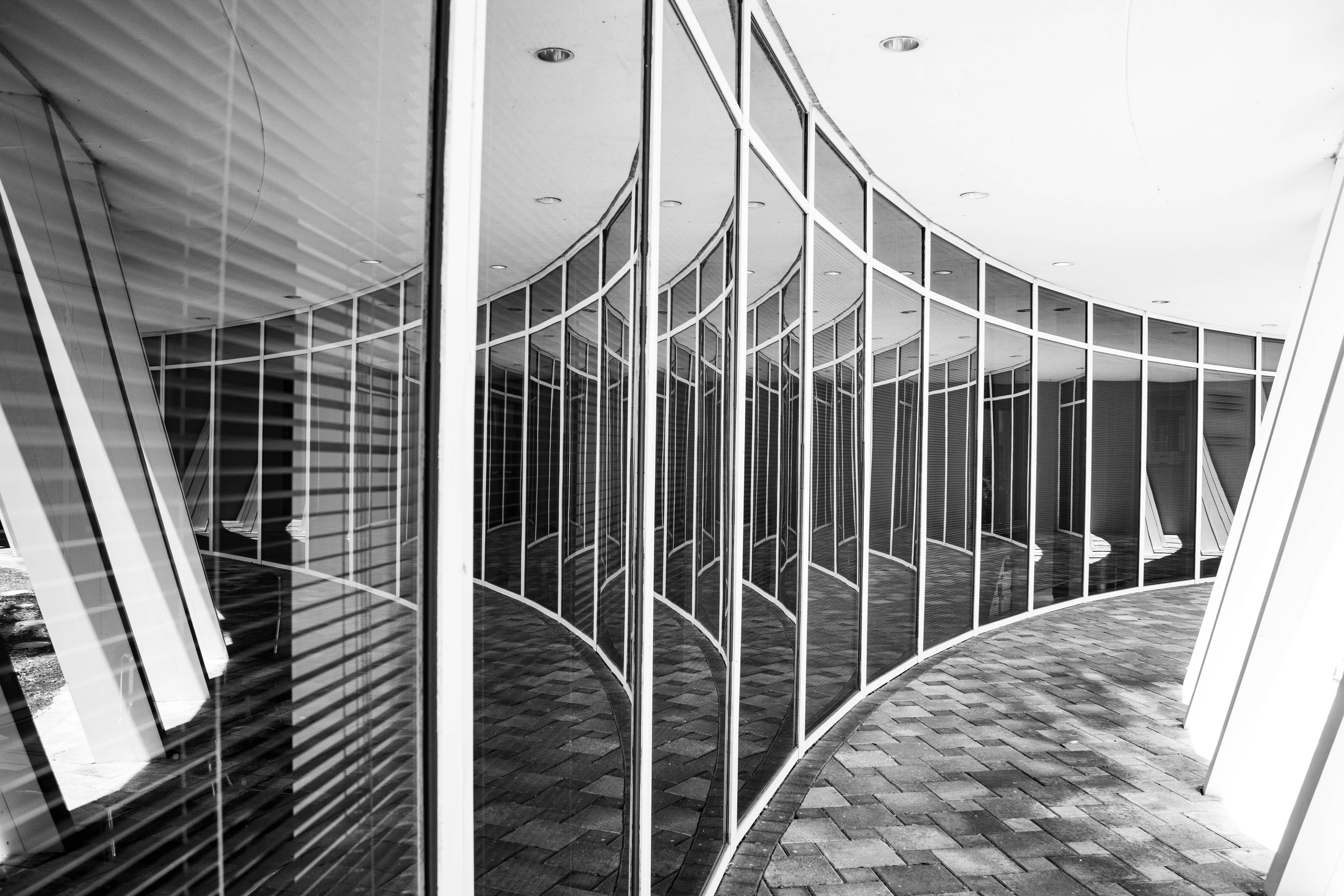
NoOne: I think they actually do represent the calm that I have in my life outside of the combat role. There is probably a deeper connection to my post-war life and the way I take photos than I have ever tried to address. I often enjoy going out very late, or early, when people are less apt to be out, so I can take these quiet mundane scenes with no worry of crowds or interruptions. So, I’d have to say yes, there is a worth in documenting the ordinary, quiet, normal aspects to the world around me, mainly because it is all normal.
GT: I totally get that and what you say also has shed some light on my own motivations and fascination with “ordinary” scenes.
Let’s bring things more up to date. Tell me about your photography today, how it has changed over the years and how you fit it into your day-to-day life?
NoOne: After I left the Army in 2010 I had my camera, a Sony alpha, stolen by my ex-wife, and I had gone through a period where I had no camera and no means to get one, with a vague desire to shoot, but no motivation to make it happen.
For a few years prior to my rating I was working extremely long hours as a welder, and dealing with being burnt out. I was also enduring with severe PTSD from the war, and didn’t have the coping skills to navigate it without self-destructing.So a handful of years were really bad, and I abandoned a lot of the things that made me feel whole.
I was rated through the VA for service connected disabilities in 2017, and started to receive a monthly payment. I was living in Texas at the time, trying to recover from several intense incidents caused by my PTSD and poor decision making, and when I first got my back pay I bought my wife and myself DSLRs to get back into photography. I was immediately shooting all the time again. I had a blast. I was still dealing with a serious life, but the photos were outside of that. For the most part.
My family decided to move back to San Antonio, where I had lived prior to enlisting, and for a short time after getting out. I had left chasing jobs and money, and wanted to return to be in a familiar place and try to rebuild my life. My father even bought a house there and we started going out into the city on photo walks. It was a gateway for me. I started getting back into it, and focused my time around chasing photos.
After a few years there, my daughter had graduated and been in a long term relationship [and] was committed to moving in with her now husband. So my wife and I decided to try our luck with “van life,” and purchased a van. My father had moved back to South Florida and offered us a spot in his back yard to park the van, so we went for it.
The van turned out to be a lemon, and that’s its own wild story, but we did make it to Fort Lauderdale, and I did start getting around the region for photos. I lived there for two years, out of the van, that wouldn’t drive, doing what I needed to do to save and try to move on.
My wife enlisted into the Army at that time. She had wanted to before Covid, and decided to not. So while we were stranded in South Florida she decided that she wanted to take the opportunity to get on with a career she had wanted. She enlisted after getting the job she wanted, a Visual Information Specialist. She was to be a photographer for the Army.
While she was away for basic training and AIT (Advanced Individual Training) I was saving money and making a plan to leave South Florida. Still taking photos almost daily. I bought a truck and went back to San Antonio to hang out with my daughter for a few months while waiting for my wife to know her duty station. While I was there I went out daily for photowalks and day trips for travel adventures focused on photography.
Last February I relocated to Arlington VA when my wife was stationed at the Pentagon as a photographer. Since moving here I have been adventuring into DC multiple times a week, as well as taking weekend trips around the region for photo adventures.
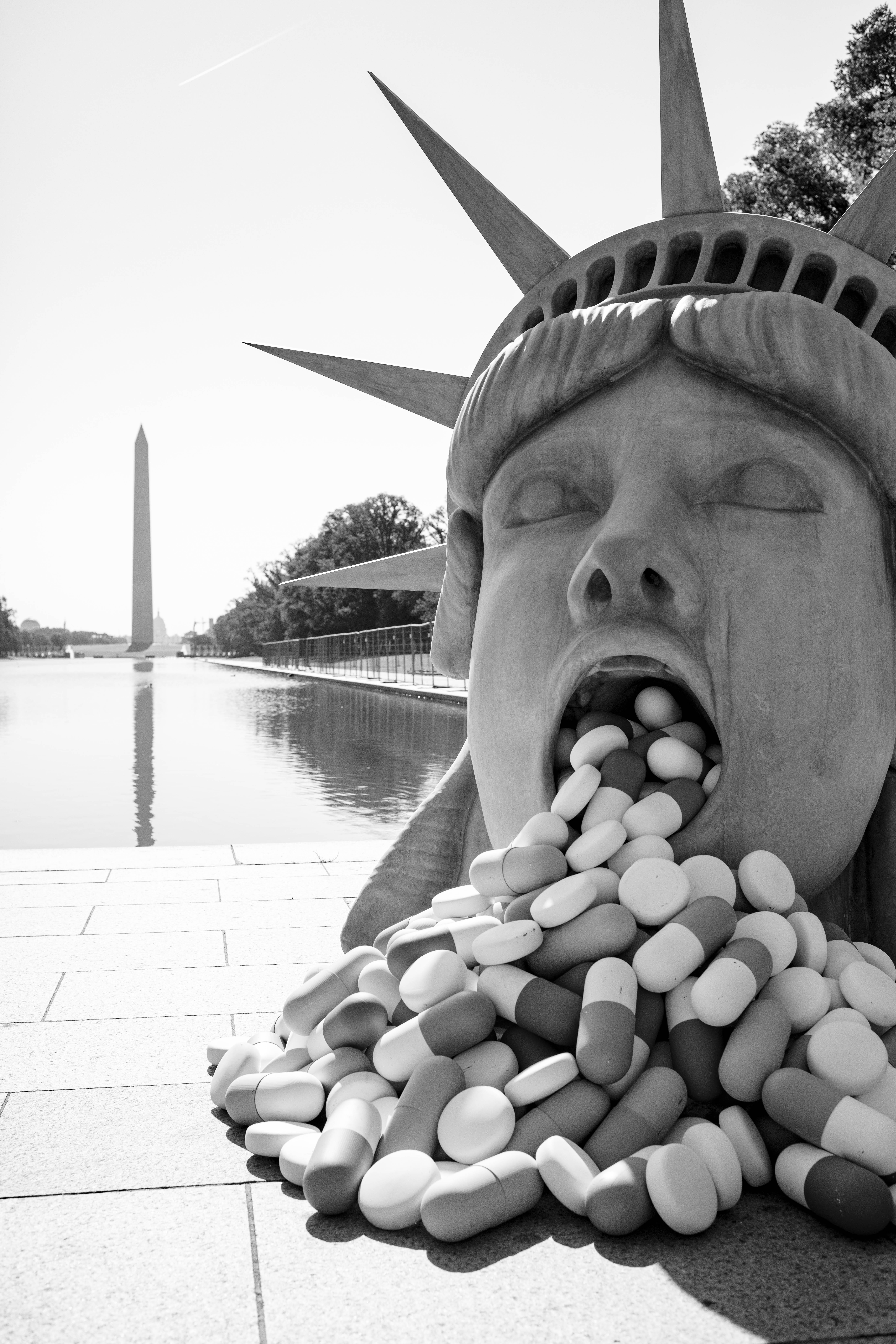
I have been taking photos non-stop for the last eight years, and it was just a thing I needed in my life. Along the way I had started posting my images on Instagram, and at some point I really started to believe I could possibly do more with my work than I had been.
After a while though I realized I wasn’t cut out for social media the way it was evolving, as far as the concept of “content creator” was concerned, so I deleted my media and worked out a plan to return as NoOne. I build the persona and decided to give it a go. I had a good go at it for a while, until losing my account, and then I was lost again. I attempted to rebuild, but found I wasn’t interested enough. That’s what led me to Substack, and a real renewed sense of potential.
I don’t want a lot from my work. I just want to be able to focus on it beyond everything else. My marriage is wonderfully solid, and my daughter is secure in her own life. I have time, desire, and the skills to capture dynamic images. I am just trying to figure out how to fund more travel adventures and the ability to work.
That’s where I am at today. I am deeply focused on trying to get myself funded to go on real travel missions, to capture real legitimate works. I love travelling, and I feel I do my best work when I am moving, seeing new things, trying to tell a story of momentum. I don’t know how realistic it is, and I don’t really know what that looks like as an anonymous photographer. I do know that I am more motivated today than I have been in a long time.
My wife being a photographer for the Pentagon taking truly amazing work has sparked a desire to really push myself to be at the top of my own game. To try to build a real career out of something I have already dedicated a vast amount of my life to. To take the biggest passion I have, outside of my family, to a place where it provides for itself and funds the act of further creative efforts.
I am sorry that was so much, but the question you asked was actually super deep to me, and since things have been so dynamic and wildly fluid the last ten years or so, it wasn’t a cut and dry answer.
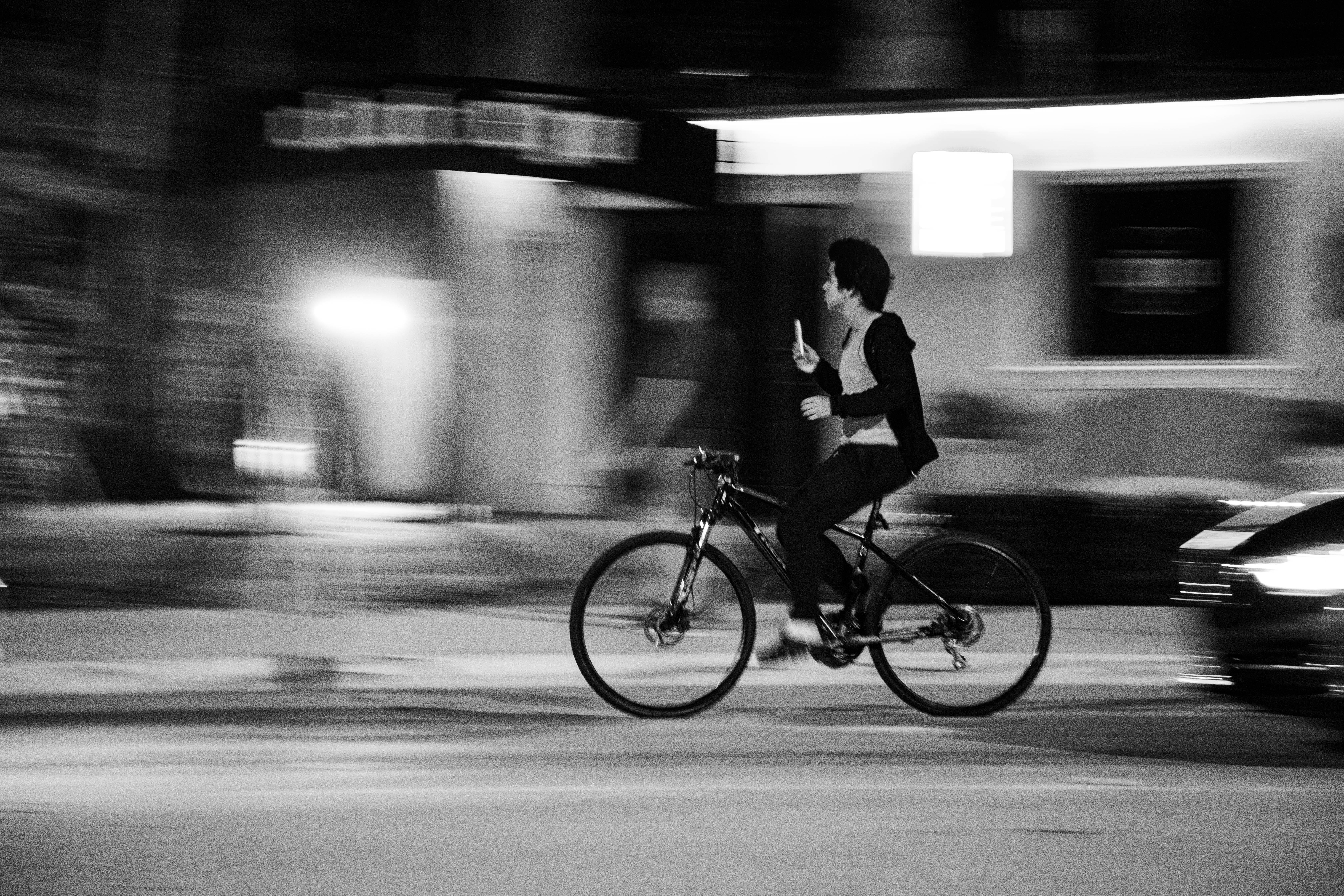
GT: No, that is great and thanks so much for sharing. You covered a lot of points I wanted to ask about, not least the anonymity side of things.
On that note, do you regret going down that route or do you wish you’d tried to rebuild your own profile again?
NoOne: I do not regret going anonymous, if anything I regret not doing it from the beginning. I think my lack of interest to be public hindered my photography. I started thinking about how to be me, but in a way that would get more people to look at my photography. When I started to realize it was a popularity contest not always built upon the actual merit of work I knew I needed to reinvent myself. I write a lot, and the idea started in my journals. I came up with the NoOne persona, then it rolled into My Anonymous Photography as the project name, just to be as up front about the idea as possible.
I grew up listening to all kinds of music, and “Eyes Without a Face” by Billy Idol always had a grip on my imagination. I always tried to imagine what that would actually look like, and so I incorporated that into my bio. The entire premise behind NoOne is I am just a guy with a camera. I am anyone, so I am no one. I just want to walk through the world behind my shutter getting the best photos I can get.
The longer I am NoOne online, the more confident I become in the ability to continue forward in my adventure as an anonymous individual, while realizing that most people only care about my photos and my philosophy behind them. I, the real me, isn’t necessary. I don’t have to try to sell myself to get people to enjoy my work. I am not many years into this project, and I am very confidently NoOne.
Substack has actually cemented My Anonymous Photo as a viable project that can have real positive results.
GT: That makes sense, and it is all about finding what makes us comfortable and give us the freedom to create.
For me, my presence online is all about my photography and not about myself, other than where I am maybe selling myself for the day job maybe. I am a nothing special and I would like to feel it’s my work that people follow and not me. Yes, I like to be open about my own experiences with life and mental health but that aside I am just a fifty something year old bloke from the UK, married with two children, trying to find my way through this thing called life.
Photography has become a great partner for this and calms the noise but also allows me to share the world the way I see it. I was drawn to Substack to provide me a space where I could put my words alongside my photos. Platforms like Instagram have become so benign and definitely rewards the personality culture you talk about. I would like to hope that here on Substack we have all found kindred spirits, where it’s all about the work and creativity first and the people second. Although I guess you could say the two are tightly intertwined.
Apologies, I am rambling a bit. I guess what I am saying is that I totally get your decision to become NoOne and respect it. I’ve not got to that point myself and continue to hope its my work, be that photos or words, that speaks to people.
Anyway, back to the questions...
Let’s talk more about your Substack.
You have written beautifully about leaving storytelling to the viewer. But you’re also starting to write essays and build a Substack. How do you balance letting the images speak for themselves with the urge to explain what you’re doing and why?
NoOne: I completely understand where you are coming from with it being about the work first. Had I actually committed to Substack when I first ever made an account I might have felt comfortable enough to remain myself ... or at least an online version of myself. I joined back after I had already committed to being NoOne, and it already felt natural so I kept running with it.
I have tried to keep my writing more to the philosophy of how I work rather than explain the individual photos.
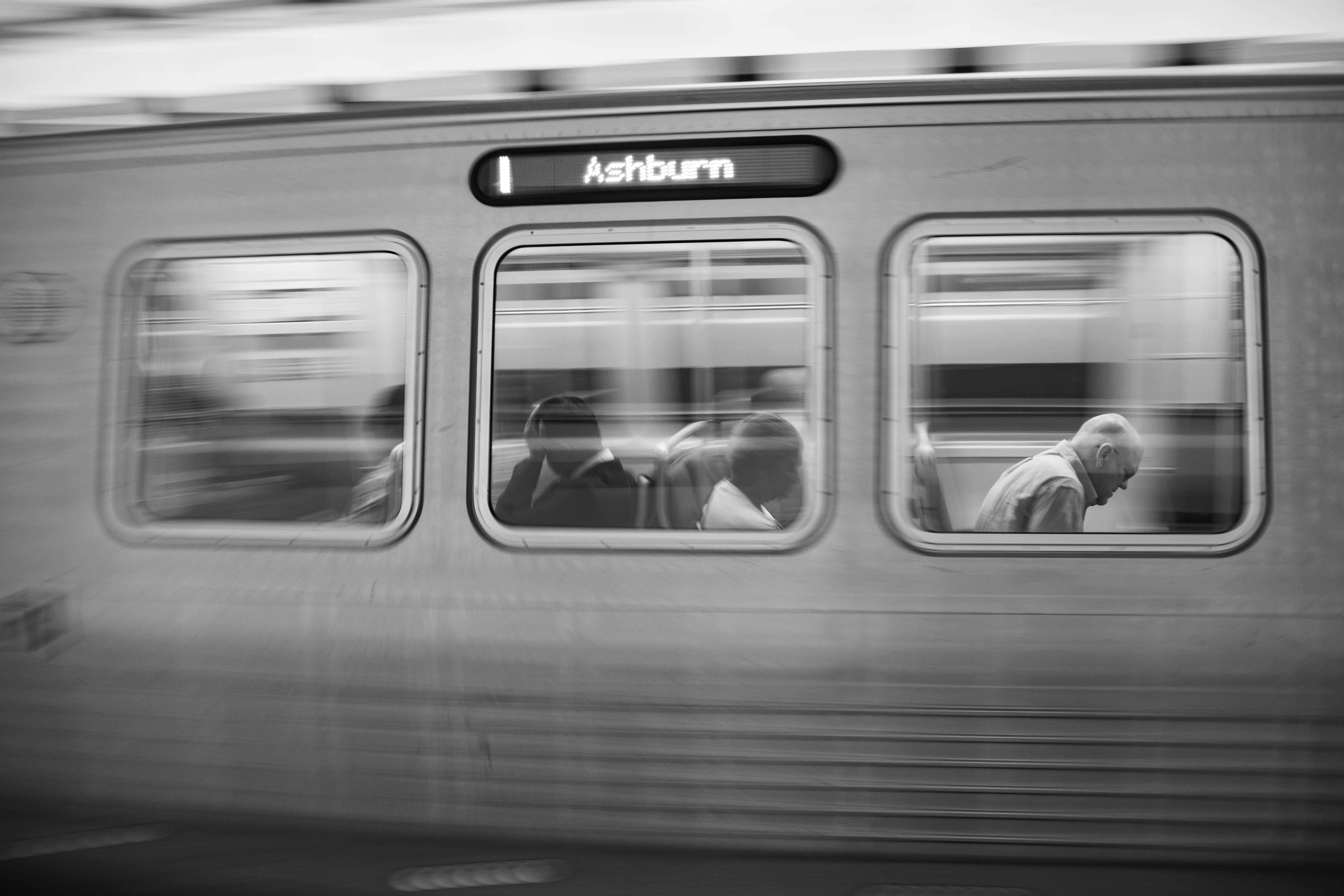
Sometimes the aspect of expressing how the work was created, or the mindset behind it could potentially help someone that is also attempting to create images in a particular way. I do very much enjoy putting work up and allowing it to be viewed and build in the minds of others, but for some reason I have found a love of learning about photography. I feel that the more I open dialogue about a particular genre or style I can perhaps help someone, or be given insight by another person’s personal experiences with said styles or genres. So, it’s as much about learning as it is anything else. When I feel I want to share an image and let it stand on its own I absolutely will. That’s still my favorite way to go about it.
The part I came to enjoy about Substack is the dialogue, a huge part of what the mass majority of other platforms are missing. People talk here, ask questions, learn from one another, and openly celebrate and support each other. When I noticed that, I decided to set aside my long-standing notion that my work was independent of how I created it, or why. It all matters here, and so I started writing.
I have always loved reading, and writing was something of an interest as well. I have done journaling for many years, and appreciate the intricacies of the structure of creating a well-written piece that articulates a train of thought. It kind of challenges me in a way that other things don’t, because I don’t feel like I am good at it. So I take it slow, and reread, edit, flip through my dictionary, the whole bit.
So, I suppose that leaving it all to the viewer is completely acceptable when having work in a gallery, magazine, or book, but on a platform like this it feels like the information behind the process is equally valid. It’s not something I expected when signing up for Substack, and it was never an intention.
Between reading many well-articulated essays about a wide range of ideals and philosophies, and my wife encouraging me to lean into the essays a little, I started having fun with it. I am still working out how to balance the essays and their intended affects, and my individual notes with images that are meant to be viewed and let the stories be built in the minds of others.
GT: Again, I totally agree with your sentiments about Substack and the wonderful community of people that are here. What drew me to your photography, aside from your wonderful eye for a shot, was our shared love of photographing the mundane and everyday. You have written a piece about this, and I would encourage others to go and read that, as it’s great. In it you said that the majority of your photos lean towards the mundane, which surprised you when you were pulling the folder together. Is that a recent shift, or do you think you’ve always been drawn there and just hadn’t noticed?

NoOne: I feel like I kind of knew, but didn’t really realize. I have been looking for street photos, and photojournalism images for so long that I felt like they would have been the bulk of my complete body of work. I shouldn’t have been surprised, because I will always take any opportunity to capture images of anything. If I find the scene appealing I don’t reason with myself over it, I take the shot.
I had never tried to put together a series of images to attempt to visually represent the philosophy behind the act of capturing these specific types of photos so when sorting through them to try to find what I thought would be strong representation I was kind of stunned that I had to go through so many candidates to narrow down a solid group that made the point I wanted to make.
I have been sorting images of the Metro, street work, and protest photos to try to get some ideas on how to go about magazines or book, and those weren’t nearly as extensive as the amount of photos I went through for that particular essay. Which now leads me to having to circle back on them to start sorting for their own potential magazines or book.
GT: The perpetual challenge of trying to draw together projects and book ideas, only to find more springing up or hiding in plain sight. We have all been there, or at least I have. I unearthed a fascination with photographing chairs when looking through last year’s back catalog. I had no idea.
Oh and I hear you with “If I find the scene appealing I don’t reason with myself over it, I take the shot.” This been my mantra too for a year or two now and I feel it’s transformed my photography and I encourage others to do the same.
Final couple of questions from me, if that’s ok?
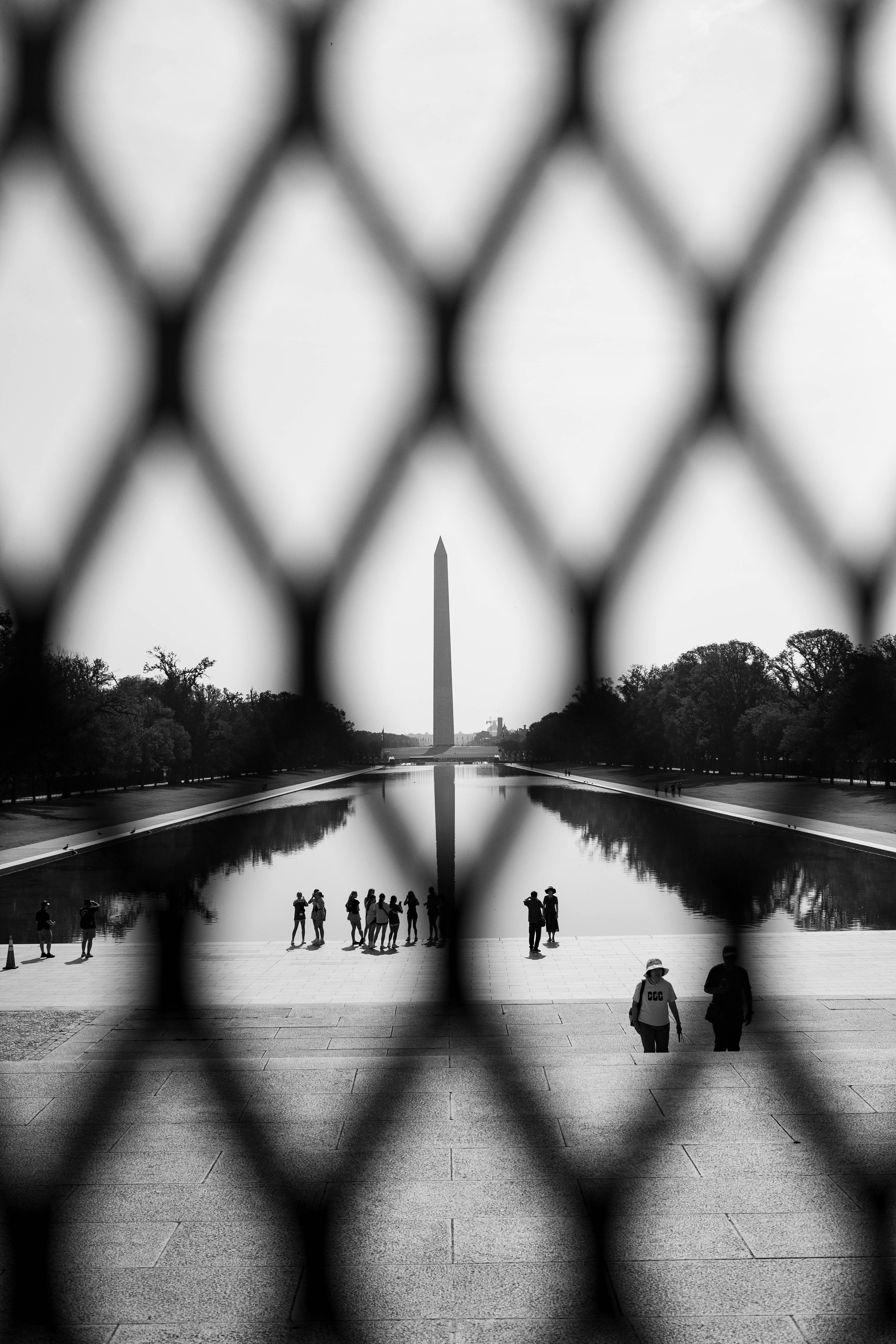
You’ve mentioned wanting to fund travel missions to capture “real legitimate works.” What does a dream assignment look like for you? If someone handed you the budget and said go, where would you point the camera?
NoOne: What a great question. I don’t know that my dream assignment would have a singular destination. If someone sent me along my way with no care but to move and photograph, the entire situation would be the mission.
I have wanted to go to Japan since I was a child so that would be the first on my list. Tokyo is obviously a dream shoot in itself, but to travel along to other cities and towns documenting the entire trip as one big project would be the goal. So if I could start in southern Japan, travel at my own pace to Tokyo, stay there for an extended time, then continue to northernmost Japan, that would be the absolute dream of dreams.
As for the here and now, I want to drive around my own country. I want to start here in DC and get to New York over time, then across to Chicago stopping along the way, then to Seattle, San Francisco, LA, across to Las Vegas, then on across Texas and Louisiana to New Orleans, and headed back to DC. Stopping anywhere I see fit along the way.
The sum of it, I feel like I do my best work when I am on the move. When I am excited to be in a new place and all my attention is on everything, especially if I don’t know that I’ll ever return there. Even if I do return it wouldn’t be under the same conditions, so anytime I am anywhere I try to view it as new.
However, as I live in a location for a while, I lose the ability to see the charm in things. I feel bored, and the scenes begin feeling over shot. The goal is to supplement as much travel and adventure into my life as possible, with the main focus being on photography.
So, I guess to answer your question directly, I would enjoy any extensive trip that gave me the opportunity to see new things over a long period of time while making my way from one point to another with the ability to stop anywhere along the way.
GT: All of those sound great and I hear what you’re saying about feeling jaded by a location and doing your best work when on the move. I’m at my happiest when I am somewhere new, with time to just wander and capture whatever captures my eye.
Final question.
You started this whole journey watching your father in a makeshift darkroom, and now you’re NoOne - anonymous, focused, more motivated than you’ve been in years. If you could go back and talk to that eight-year-old kid in the mountains of North Carolina, the one who had to explain his composition to his dad before he could take the shot, what would you tell him about where photography is going to take him?
NoOne: That’s a super deep thought. I’d just say; Never quit. It’s okay to doubt, it’s even okay to stop, but never quit being excited about the ability to do photography. Always search for a scene, and when you spot it capture it unabashedly and never doubt you’re on the right path.
GT: Wonderful.
Thank you for taking the time to answer all my questions. I’ve really enjoyed getting to know a bit more about the man behind the mask, so to speak. As I’ve already mentioned, so much of your work and what you have to say about to resonates with me, as I am sure it does with others, and it is wonderful to have you as part of the photographic and creative community here on Substack.
Keep up the great work and hopefully one day we will get to see images from your photographic tour of Japan.
NoOne: Thank you so much for having me in mind for this new project of yours. I hope I’m interesting enough for people to check out the piece you do, and that it takes off with other photographers and creatives. I’m super excited to be here on this platform, and the last few months have really added to my motivation to keep putting the effort in the right directions to keep getting closer to my goals.
Thank you so much for this. I’ve actually really enjoyed it, and learned a little more about you along the way as well. Totally worth it. I deeply appreciate you.
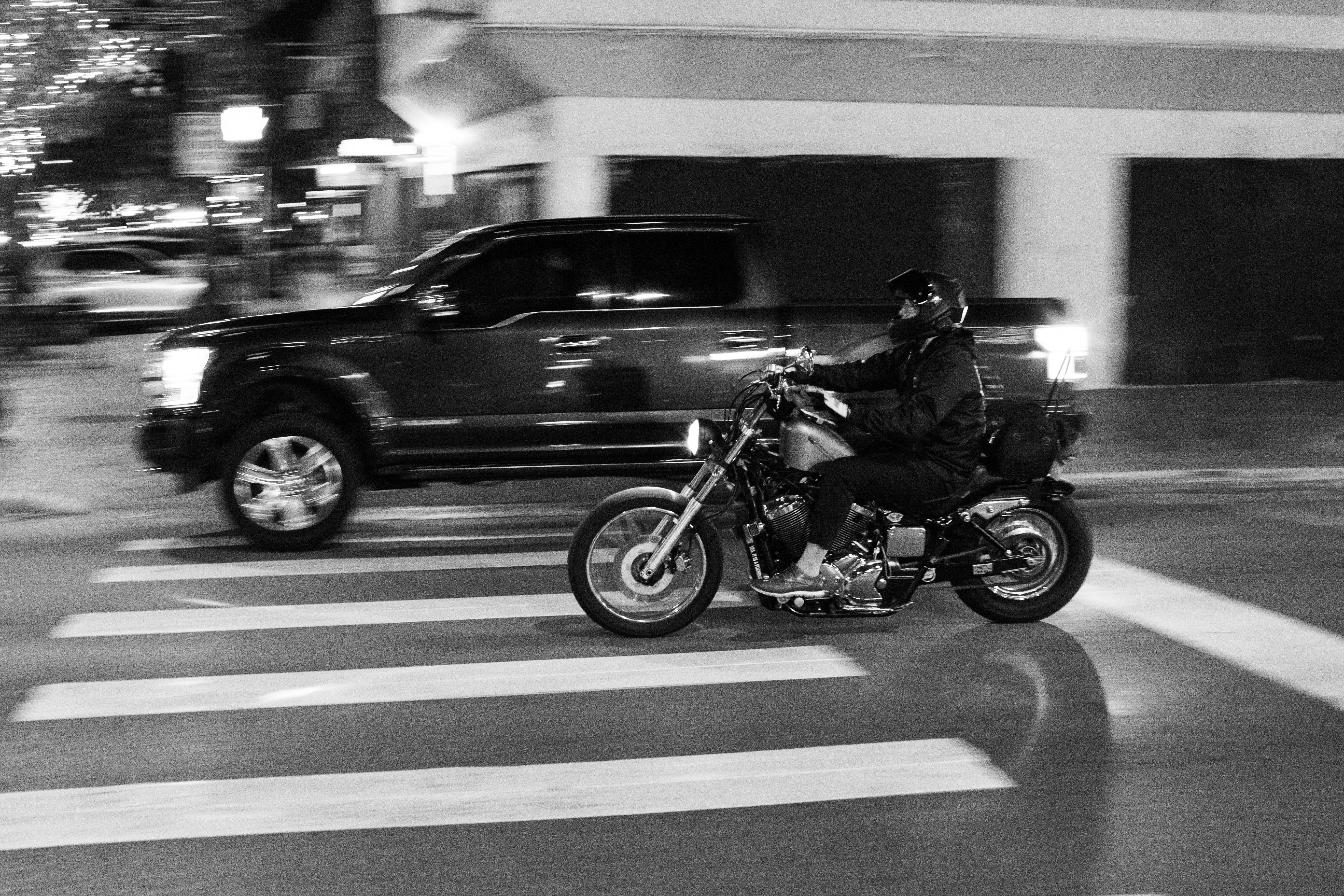
Huge thanks to NoOne for being so generous with his time, his story and allowing me to use his photography alongside this article. If you’re not already following his work, I’d encourage you to head over to his Substack and give him a read. His essays on photographic are thought-provoking, and his images capture that elusive quality of finding the extraordinary in street scenes and the everyday, something I think we could all benefit from seeing more of.
This is just the beginning of Substack Spotlight. I’ve got a few more conversations lined up with photographers and creatives doing interesting work, and I’m always on the lookout for others to feature. If you know someone whose work deserves a wider audience, drop their name in the comments. Better yet, if you’re creating something meaningful yourself and fancy a chat, get in touch.
Until next time, keep your eyes open and your camera ready. You never know what you’ll find.
 | A guest post by
|
Congratulations, Giles and NoOne! This first episode of Substack Spotlight is a welcome deep dive into where the views on photography, intentions, work and backgrounds of two photographers meet. It's an excellent read, with a lot of depth between the two sides of the table.
Giles, thank you for introducing me to NoOne and wish you all the best with this series, it is a great start!
NoOne, you got yourself a new subscriber