
Knowing When to Step Back: Substack Spotlight with Jon Gibbs
A neighbourly conversation about place, projects, and staying true to your own photography.


Jon Gibbs is a name many landscape photographers in this part of the world will know. He’s spent over twenty-five years photographing Norfolk, the county of my birth, and one that so many wrongly write off as flat and featureless, and he’s built a quiet, understated body of work that proves them all wrong. He’s a semi-professional photographer, a workshop leader, a former gallery owner, and by his own cheerful admission a bit of a digital dinosaur. He also happens to be a near neighbour of mine, just over the county line, which made this conversation feel less like an interview and more like two photographers comparing notes over a brew. What started as a chat about running a gallery in Wells-next-the-Sea turned into something more honest than I expected, taking in the projects he’s circling, the town he loves, and where he might go next. I think you’ll enjoy meeting him as much as I did.
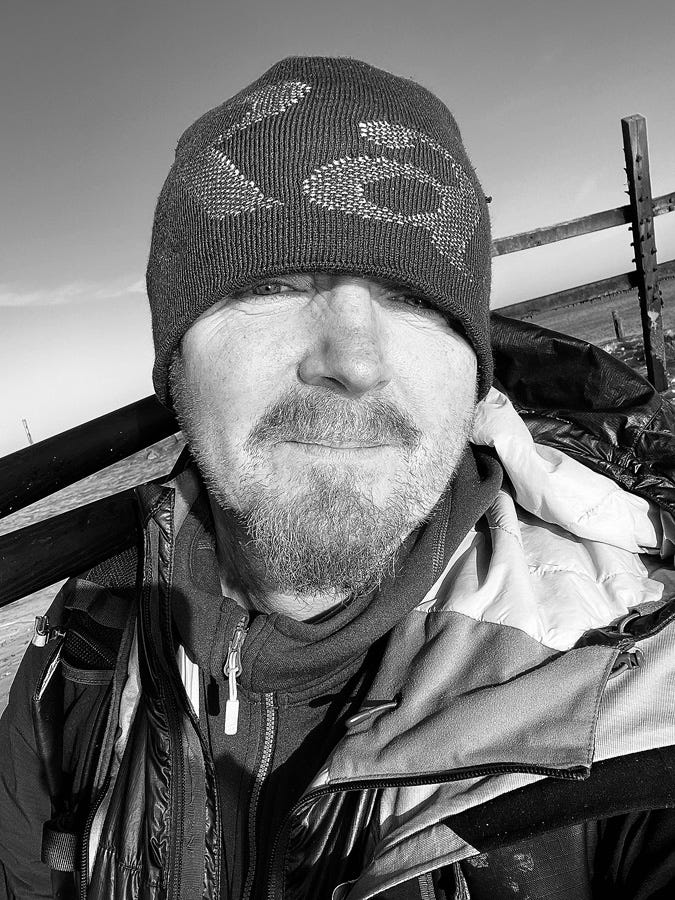
Giles: Many thanks, Jon, for agreeing to take part in my Substack Spotlight feature. For those who haven’t met you before, could you give us a little background on yourself and your photography, please?
Jon: I would describe myself as a semi-pro landscape photographer, and I also have a job with the National Trust. Nowadays, my main photographic work is running photo tours and the occasional 121 workshop.
In the past, I have had books published, both with a publishing company and via self-publishing, and I have had images placed with various photo libraries, back when fees paid for photography were much, much higher.
For ten years, I ran a photographic gallery with my colleague Gareth in the lovely town of Wells-next-the-Sea in North Norfolk. My work has been featured in many photographic magazines, and I have been lucky enough to do well in a couple of landscape photography competitions in the past.
In terms of photography itself, I was into general photography in my teens, but it soon gave way to football, bass guitars and rock music. When I finished playing football in my late twenties, at the turn of the millennium, photography came back into my life.
My rekindled love for photography led me to devour all the information in the many photographic magazines available at the time and to get out into the landscape and practise. My choice of film shifted from negative to slide film fairly quickly, and I shot in various formats, mainly in 35mm and 6 x 7 slide film. I joined the ‘digital revolution’ in 2004 with the purchase of a Canon EOS 10D, and I currently shoot with Nikon cameras.
When I returned to photography, I was heavily influenced by some of the famous landscape photographers who regularly appeared in magazines, such as Joe Cornish, David Ward, David Noton, and Lee Frost. I would say my style is still influenced by these old-school landscape photographers. I tend to have a very naturalistic and somewhat understated approach to my imagery, and I often refer to myself as a digital dinosaur, as I am not a fan of learning too much about digital processing. I know what I need to know!
Today, my main goal with my photography is to stay true to my photographic values; I’m not interested in fads or gear. I simply want to enjoy the experience of being out in nature and record it with my camera as faithfully as possible.
Landscape photography remains my main passion, but I do dabble occasionally in a little street work, and if there is one thing I would dearly love to attempt, it is music photography.
Giles: Thanks, Jon. So many directions to go here. Let’s start with the gallery. I love Wells, and we get there as often as we can. Were you mainly selling your own art, others or a combination of the two? And what did owning and running a gallery teach you about your own photography that just shooting never would have?
Jon: Yes, Wells is a lovely place, and it was a great experience running the gallery there. Over time, I came to appreciate the North Norfolk area even more than I already did. It really is a gem to photograph, and it is so varied, not the ‘flat’ county that so many incorrectly perceive it as being.
Throughout our ten-year period of running the gallery, we only sold our own photographic work in finishes such as prints, canvases, foam boards, and aluminium.
Having the gallery certainly made me think every time I was out shooting in the area. As a landscaper, I like moody and changeable light, but you have to take into account what a potential customer has seen during their time in the area. Not all customers were visitors; local people like to see the moody shots, as they experience all the differing moods throughout the year. It is unlikely that visitors are up at 4 a.m., seeing the start of the day, so they don’t always relate to images like that. Sometimes, there was a need to take images in more ‘regular’ light so they are relatable and therefore more commercial. But, as mentioned, some customers do like the moody images, and some customers like an image because the colours will go well with their sofa!
You can’t win, in all honesty. Despite everything I said above, it is best to shoot the images you enjoy and hope that something is saleable. I’m certainly not a photographer who has ever enjoyed working to a brief or with commerciality in mind! That probably sums up my photography: I’m always looking to produce work to please myself, with the vain hope that someone will connect with it too.
Giles: That tension you describe, shooting to please yourself and hoping someone connects, feels like the quiet bargain every photographer makes. After ten years of watching real people choose what to hang on their walls, do you have a better instinct now for when one of your images will land with someone else? Or is it still a complete mystery every time?
Jon: Yes, your point is spot on. I would never make a good commercial photographer; I just don’t have the mindset. In terms of your point about instinct, I genuinely don’t think I am any the wiser. You can be out in the field with beautiful conditions and light, but that does not mean your resulting imagery is going to connect with anyone. It goes back to the point I made earlier about the people who come into the gallery and pick an image because it goes well with their wall colour, for example, there is no ‘deep’ connection with the image and its subject, just a need to adhere to a concept of a kind of visual feng shui. Further to this, you only have to look at social media, for example, local Facebook photography groups; you can bet the popular images are orange skies and everything else is silhouetted.
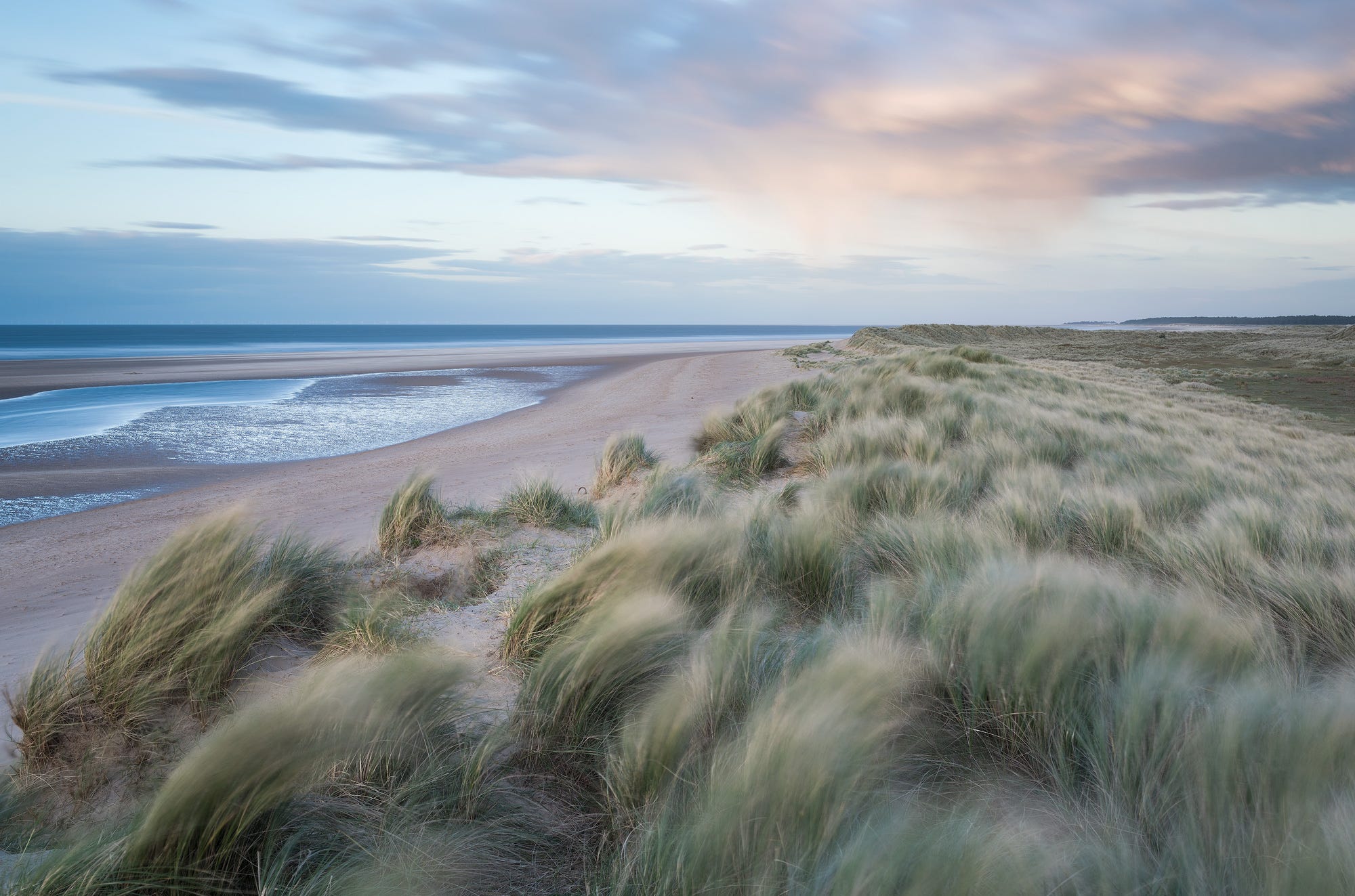
But it is lovely when you get a connection, or you get surprised when an image is popular, and you didn’t really think it would be. I remember a lovely lady who came into the gallery in our early years; after a while, she started crying and said, ‘I have to have this.’ She then explained that her husband’s ashes were scattered there. That was an image of Holkham, which you know, Giles, is a special place. Those were the kind of experiences that were special in the gallery. The sales you make when people just like the colour are almost hollow. I hope that makes sense.
Giles: I hear you, Jon. I have been surprised by how some of my images have resonated with people in a way I never imagined. Likewise, those that I think may be appreciated have fallen flat. These days, I’ve given up trying to work it out and just shoot what I like and take it from there.
Pivoting slightly. You’ve talked beautifully about what connects with other people. I’m curious about the flip side, the images that mean the most to you, that you’d never sell or maybe never even show. Is there work you make purely for yourself?
Jon: Yes. I think that’s the best way. Upload and show the images you are happy with. That’s a good point. I’m going to be honest, I don’t have any secret projects or images I work on just for myself. I’m happy to show any images I take. It goes without saying that some work will be less popular, and you can normally tell that with the likes, but if we just upload the spectacular, and I’m talking within the world of landscape photography, then everyone’s portfolio/grid (whatever) will look the same. In saying this, I also understand the need to play it safe, feed the algorithm and keep putting out the ‘hits’ rather than less obvious images that require more than a ‘like, scroll, move’. It’s all become a little bit throwaway with landscape photography, and there seems to be a need to keep visiting amazing places with amazing light and going for the wow factor.
Yes, that is part of the landscape photography world, but I cannot help feeling the genre needs a bit of a kick up the arse, a little bit more experimentation and less technically anal images that look too damn perfect would be nice, and I do try and seek out photographers who are doing that, though I could also do with that kick up the arse myself!!! Maybe I do need a project or need to shoot a different genre??
Giles: I think I’ve been through a similar narrative with my own photography. For ages, I questioned if I was a landscape photographer or if I fit into another genre. In the end, I just decided that I was simply a photographer, would ignore genres, and just photograph whatever took my fancy.
So, picking up on that last point/question you posed. If you did take on a project or step outside landscape for a while, what’s pulling at you? Earlier, you mentioned music photography being the one thing you’d dearly love to attempt. Is that the kick, or is there something else nagging away?
Jon: I think that is the best way to call it. Just say you’re a photographer and be happy with that.
Recently, I have been considering stopping the photo tours and maybe finding another job or trying to get more hours from my National Trust job. I have been doing landscape photography since the turn of the millennium, and though I am far from bored, how can you get bored with being out in nature? I do feel there is something missing at present. Maybe I need a break from it for a year or so, and also from the stress of trying to drum up business for the photo tours, which, in all honesty, is not going well this year.
The thing is, I have been at peace with the possible decision of stopping the commercial side, but there will always be photography in my life. As you mentioned, maybe there is something pulling me away to try other things or get more experimental with landscapes. I often wonder: Has trying to fill photo tour spaces taken something away from my own work? Or do I have a photography itch that has to be scratched? Or do I just want some silence from the world of social media for a while? Perhaps it is a bit of all of those points.
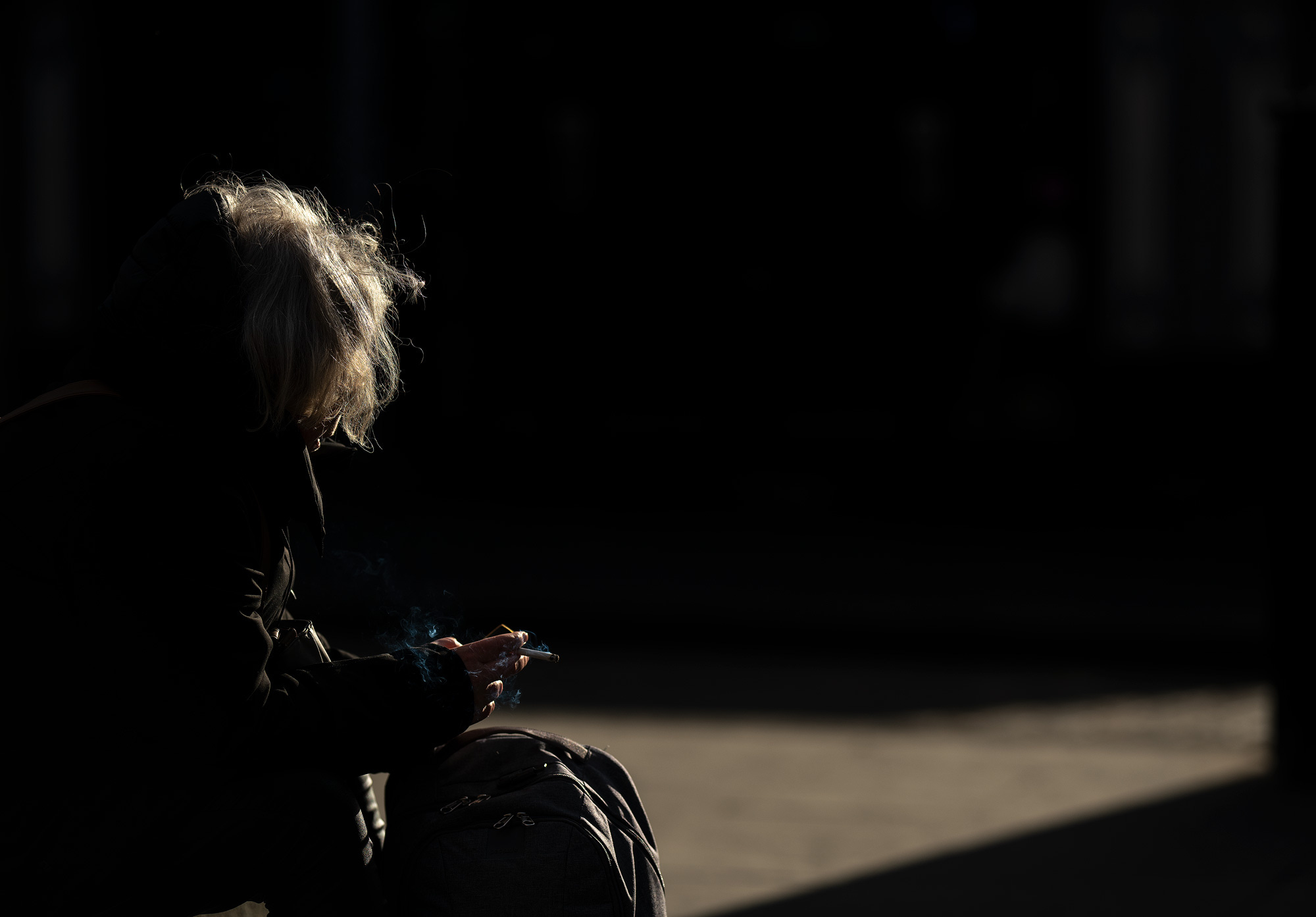
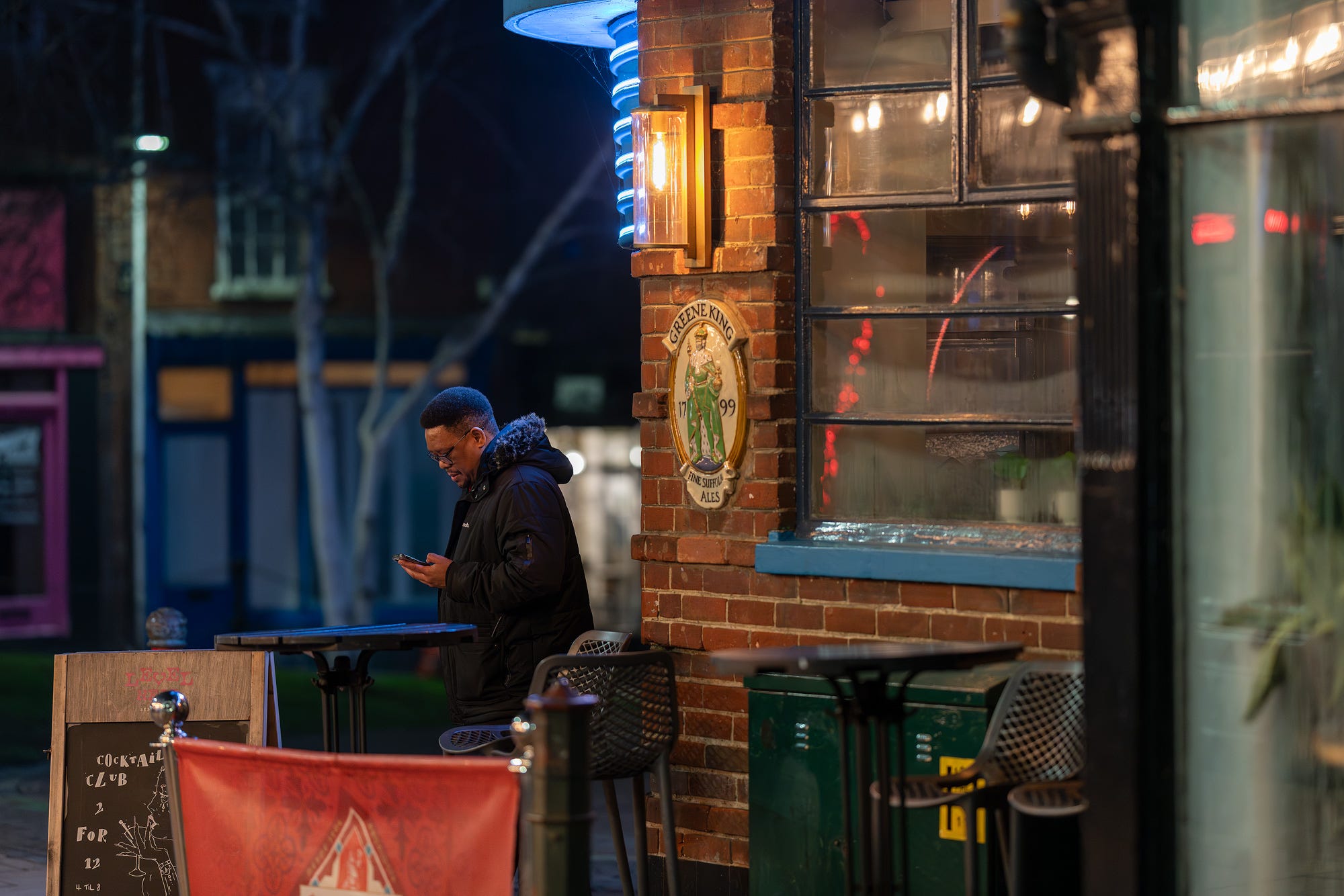
In the last couple of years, I have done a little street and urban photography, which I have really enjoyed, though I do not have the confidence to try it in certain areas of my hometown, which is a pity, as I think it would make a great subject. But in all honesty, I would be worried about coming home without my camera…or worse! I am much more confident taking street images in busy cities, where you can blend in with the masses, rather than standing out in a smaller town, camera in hand, pointing at the locals and trying to look inconspicuous!
As you mentioned, Giles, music photography is definitely an itch that has to be scratched, even if it’s just for a couple of attempts. So yes, I think it would be safe to say that I need something new in my photography world!
Giles: Sorry to hear the workshops are proving harder to fill this year, and that you’re considering stepping back from the commercial side of your photography. That said, I completely understand where your head’s at, especially if you’re finding it affecting your own work. I’ve been trying to keep at least some element of my photography for myself, but it’s getting harder.
I also have to say how much I’ve enjoyed the street work you’ve been sharing on Substack, especially the walks around Norwich. They’re fantastic, and honestly, I’d love to see more of them. There’s a real energy to them that sits so differently from your landscape work.
And I completely understand what you mean about blending in. There’s something about pointing a camera at people in a place where you might be recognised that feels far more exposing than doing it in a city full of strangers. Having spent time in Great Yarmouth over the years, I get where you’re coming from. I’ve found that focusing on the place rather than the people helps, and I’ve found real joy in photographing more locally around Ely lately. There’s something rewarding about pushing through that discomfort (safely) on home ground.
So, picking up on all of that. If you could get past your concerns about photographing more locally, what would you actually want to capture there? What does home look like to you when you imagine shooting it properly?
Jon: Thanks, Giles, it’s one of those things, it’s a crowded market, and I have probably had my time, and I accept that and move on.
Thanks for the comment about the street work. Norwich is really great for street work; it’s a good-looking city with lovely people. My pals Rick and John and I have met up a couple of times and done some evening shoots in the city, and it would be great to do some more. I also want to shoot more in the cathedrals in the city, as they are both beautiful. I find churches a fascinating subject to shoot. The interplay of light is stunning throughout. Combining that with a little street work would be a perfect day of photography.
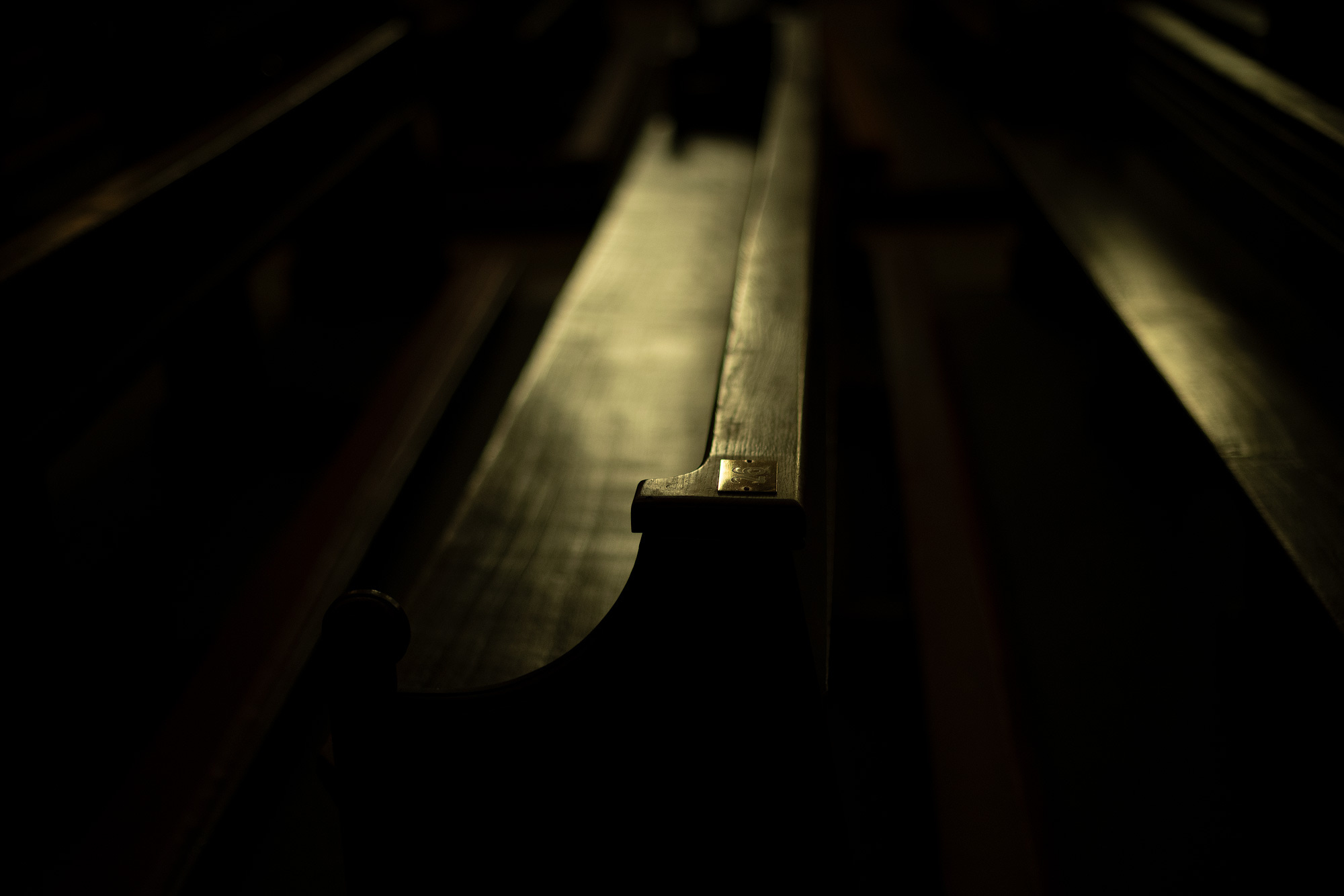
As for my beloved hometown, I am not sure how I can approach it. My only solution for images in the town centre is to use my phone and use it quickly, almost a kind of press-and-hope, but sometimes the results can be quite rewarding. I like your idea of concentrating on the place, as it is just as important as the people. I’m not sure if it is an age thing, but I kind of want to capture the town as it is at the moment, as a kind of historical snapshot, since the town is constantly changing.
My hometown is very dear to me; it has an absolutely fascinating history, and despite many people’s negative views of it, there is much beauty too. I want to photograph Great Yarmouth without wearing rose-tinted glasses, but I also want to show that it can be beautiful and that there is hope for the town to lift itself again. When I write that sentence, I know it also applies to many small towns around the UK.
Giles: That idea of capturing Great Yarmouth as it is right now, a snapshot before it changes, really moves me, especially that line about wanting to show it without rose-tinted glasses but still with hope. It feels like there is a real story to tell there, and this could be the project you’ve been circling but haven’t yet landed.
What is it about Great Yarmouth as it stands today that you most want on record before it goes? Are there specific corners or buildings already nagging at you? I know I have an out-of-season visit on my to-do list, to capture it away from the summer crowds, but I realise there is so much more to it than that.
Jon: I’ve always liked the history of the town, and I get upset when certain buildings are left to decay. In recent years, the beautiful Art Deco pub, the Iron Duke, was at the centre of a preservation battle, and luckily, it has been saved, even though it will become a burger restaurant/bar. I want to capture these buildings; there are many whose future is less than certain, and I also want to capture some of the excellent local artwork. For example, the Reprezent Project is painting many murals in the area, which helps to lift certain areas. There are some fantastic and caring people in town who can see a future for it, and I’d like to document the changes they are implementing.
I’d certainly recommend an out-of-season visit. I love photographing out of season, especially along the seafront. That appeals a lot more than photographing the summer season. Of course, that would still be very worthwhile, but I like the bleakness of a seaside resort during the autumn and winter.
Giles: Yes, it’s very much the bleakness that draws me to the coast out of season. The contrasts to the summer: gloomy weather, people wrapped up, boarded-up shops and venues with the odd one still clinging on. I can’t quite put my finger on why, but I really enjoy the photographic opportunities it brings. There’s an honesty to a seaside town in winter that the summer crowds paper over.
Anyway, let me change tack. Earlier, you mentioned wanting to shoot more in Norwich’s cathedrals, and that you find churches a fascinating subject, all that play of light through them. That’s something very close to my own heart. What is it about being inside one with a camera that pulls at you? Is it the light, the quiet, the sense of history, or something harder to put into words?
Jon: I’ve always loved visiting churches, whether in the UK or abroad. I enjoy all the things you mentioned, the history, the light and the peace. It was only relatively recently that I really appreciated the light in the cathedral at Norwich; I think that came from visiting at different times. Much like landscape work, the different times of day give a very different feel, and I find using areas of light combined with heavy shadows was the ‘look’ I was after. I’m just as happy visiting a small church, but I find that I see so many new ideas for images in the cathedrals in Norwich.
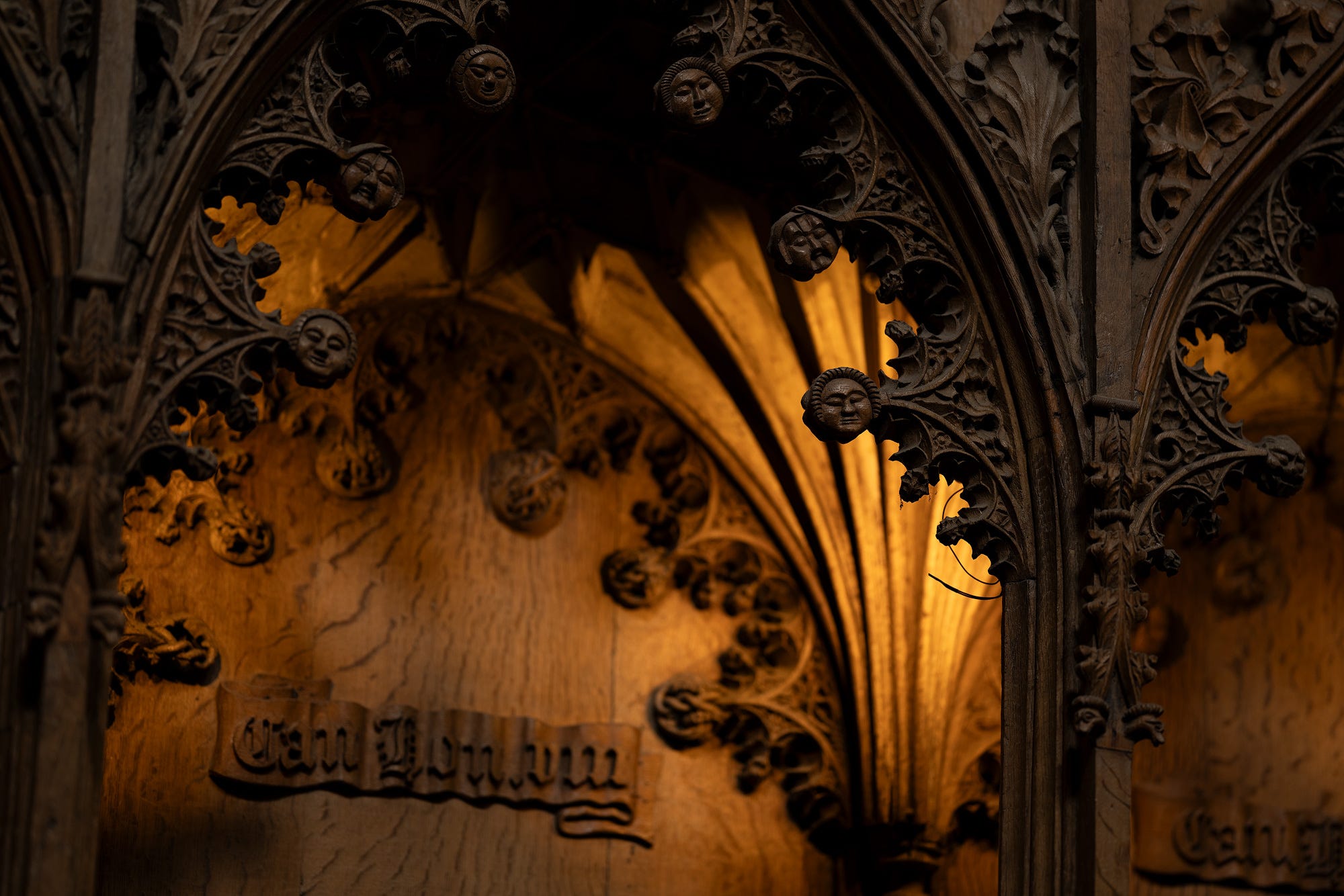
What I also like to use in my imagery when I shoot the cathedrals is a shallow area of focus. It is nice to shoot handheld, and with the wonderful noise reduction software now, I can crank up the ISO and get those dark and moody shots knowing they will clean up successfully. Not forgetting, though, that using grain/noise could be quite successful with images taken in these places.
Thinking about it, the two Cathedrals could make a nice project!
Giles: Despite growing up and living in and around Norfolk most of my adult life, I’ve not been back into the cathedral since I was at school. And I’ve only ever been into the Anglican one, so it sounds like I am missing out. Maybe I need to make a specific photographic trip back to Norwich soon, rather than try to fit it alongside trips for football, shopping or to see family.
Anyway, back to yourself. That’s twice now in this chat you’ve talked yourself into a project, first Great Yarmouth, now the two cathedrals. Maybe this conversation is doing its job.
Setting the gear aside for a moment, when you’re standing in Norwich Cathedral with the light doing its thing, what are you actually chasing? Is it a record of the place, or are you trying to catch a feeling, that sense of peace you mentioned?
Jon: Yes. This chat has probably been very good for me! I hope you get to visit soon. I must get to visit Ely, in all honesty. I am not 100% sure if I have ever been in the cathedral. I may have been in when I was young.
I suppose when we are making certain images (landscapes?), we are trying to put some kind of feeling across, even if we are not actually thinking that way when we compose the image. In relation to the cathedral images, I think I am just trying to record the beauty of the place. I’m not sure I can get across a sense of peace within an image, the imagery in this instance is more about observing the play of light and all the elements of the building, its shapes and forms.
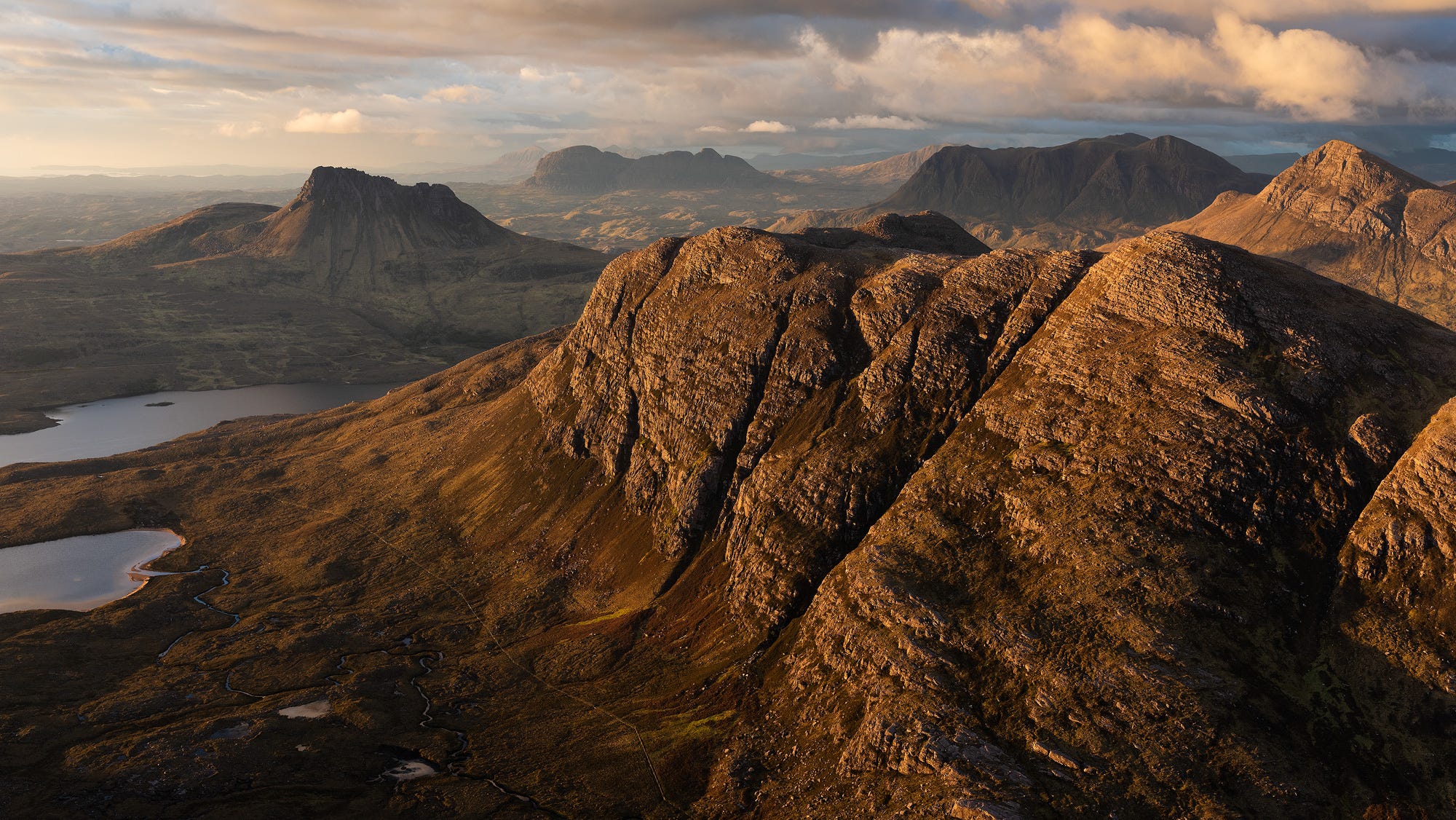
Giles: Yes, you must get across here. I’d be happy to show you around, photographically, if you’d like. Maybe there is a photo collab in there somewhere. I come to Norwich with my camera, and I’ll show you my Ely and the Fens in return 🤔
Before I let you go, one last thing. Right back at the start, you mentioned that music photography was the one itch you’d dearly love to scratch. Of everything we’ve talked about, the Yarmouth project, the cathedrals, stepping back from the tours, is there one thing you’re quietly promising yourself you’ll actually do this year?
Jon: That would be great, Giles. We’ll have to see if we can sort that along the way.
After all we’ve talked about, there is one thing that I would like to do, and that is to step away from the whole of social media for at least a year. A little bit of recharging, giving myself space to think about my next moves. The time away may be good for me to work on projects and to properly evaluate my position with running tours and just sorting out some general life stuff. I’d like to think I would just return to a select couple of social media platforms; maybe I won’t return to any. But that is something I would genuinely like to do, and it will be good for my photography.
Giles: Your thoughts resonate a lot with me there, Jon. I’m a strong believer in photographing for yourself, and if you like it, that should be enough. If the noise of social media is a distraction from that, then it’s not a positive influence on your craft. Sometimes peace, quiet and time with our cameras is just the antidote we need to life and a great way to find ourselves, I believe at least.
There’s something telling in the fact that you started out saying you weren’t fussed about fads or gear and ended by wanting to step away from all the noise to find your photography again. Whatever you decide to do, I hope the next year gives you exactly what you’re after: the space, the projects, the clarity, and a bit of general life sorting, too. Oh, and a Norwich / Ely collab, of course.
Thank you, Jon. This has been a genuine pleasure, and I have really enjoyed finding out more about you and your work. I appreciate you making the time, and you enjoy the quiet when it comes.
Jon: Thanks so much, Giles. Have a nice day and try to keep cool!!!
Editorial note: this interview took place during a European heat wave. Hence, the comment about keeping cool.
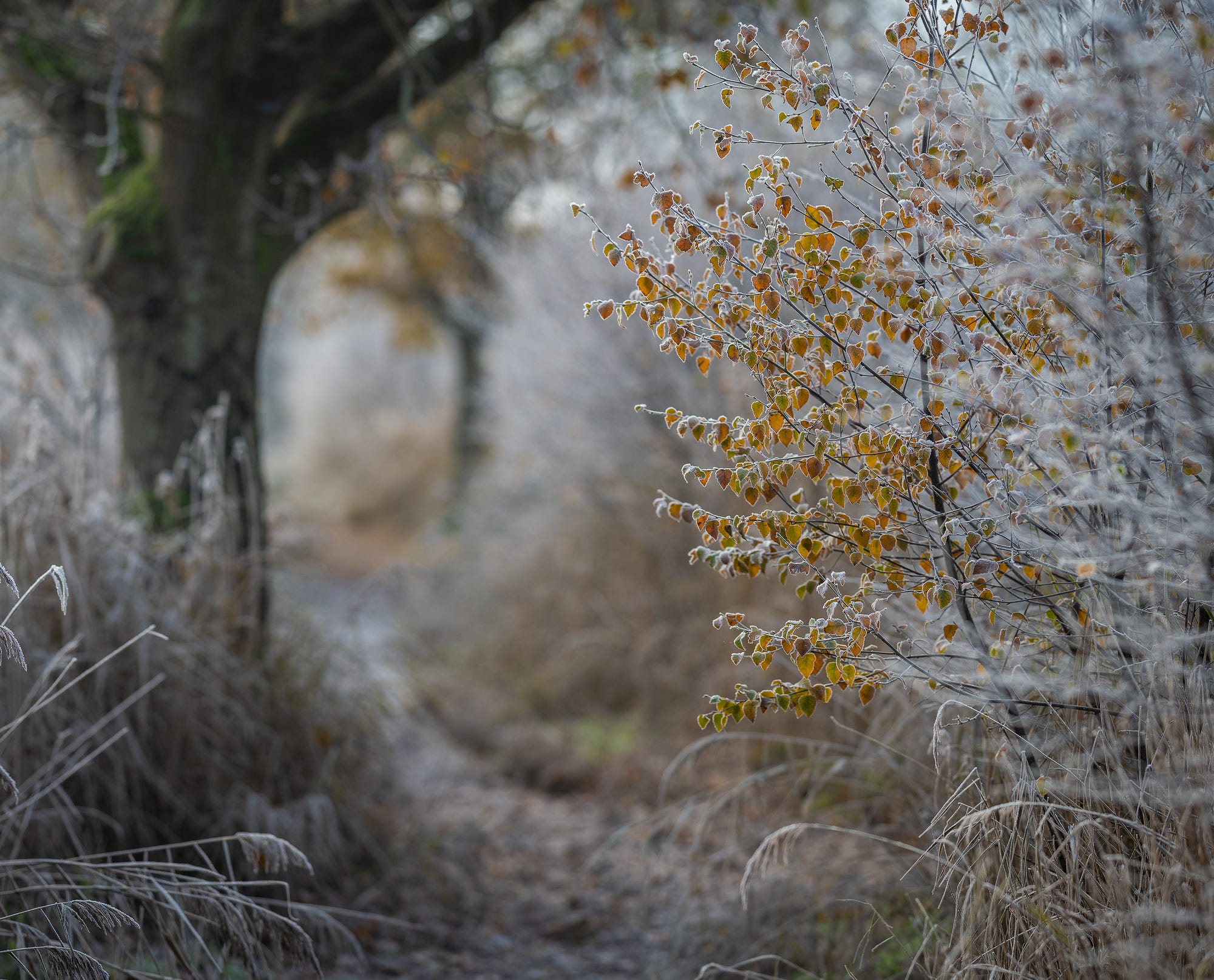
Many thanks again to Jon for making time for our chat and sharing so much about his photography. I really hope you enjoyed it as much as I did.
To see more of Jon’s fabulous work, including his shots from Scotland and elsewhere, I strongly encourage you to follow him on Substack and/or Instagram.
If you are interested in his workshops and 121s, be sure to check out his website at www.jon-gibbs.co.uk.
 | A guest post by
|
You have a beautiful body of landscape work, Jon. To me, it feels more like a record of an inner state than simply a record of a place. Your photographs evoke such a sense of calm - they're so gentle and soothing. I especially loved the image of the dry hay, the one walking through the forest where it almost feels as if the plants are giving you a high five. And Gilles - excellent interview! Very informative interview.
Enjoyed this read Giles.